Backflow Testing in Wilmington: What the City Actually Requires
The City of Wilmington's Building Department has a specific, documented recommendation on backflow prevention. Here's what it actually says and what it means for your property.
By the Wilmington Express Plumbing team · Updated September 2026
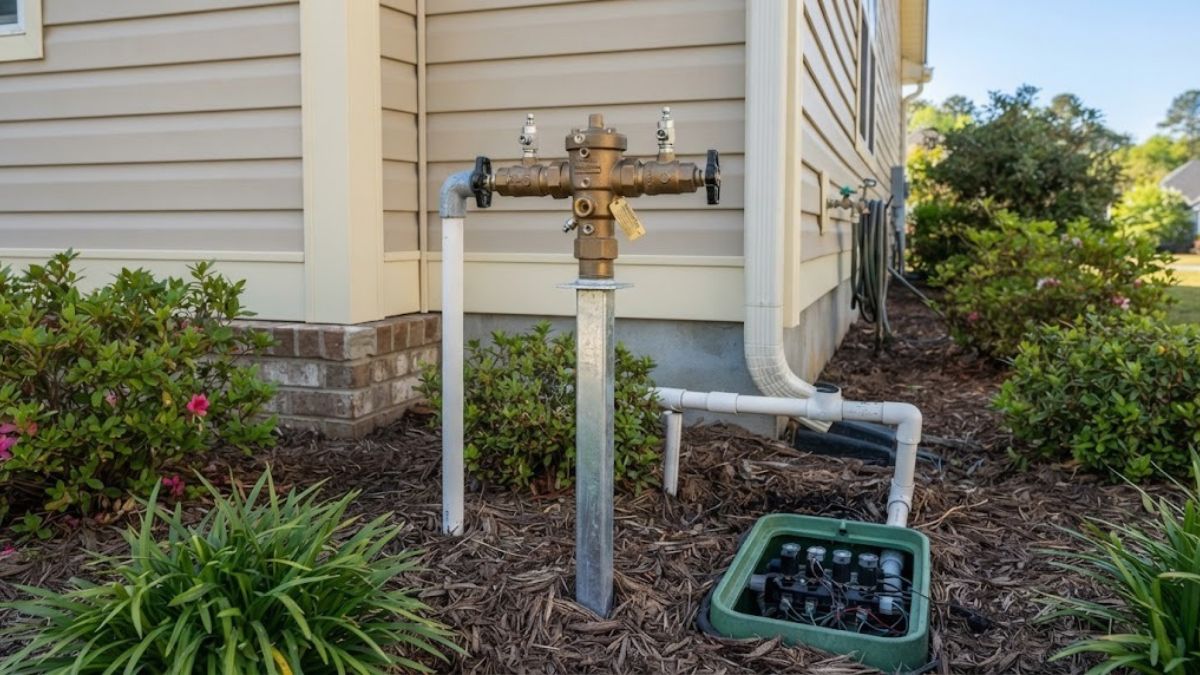
Backflow prevention comes up a lot in general home maintenance advice, but what does Wilmington specifically say about it? The City of Wilmington's Building Department advises checking drainage and backflow prevention before hurricane season each year, a real, documented recommendation rather than generic seasonal advice repeated across every city's website.
What a backflow preventer actually does
A backflow preventer stops contaminated water from being pushed back into the clean water supply when pressure reverses, something that can happen during a sudden pressure drop, a main break, or storm-related flooding. Without one functioning correctly at a cross-connection point, a pressure reversal event can genuinely introduce contamination into a home's drinking water.
Where backflow devices typically sit on a residential property
- An irrigation system connection, one of the most common residential cross-connection points.
- A pool fill line connection.
- In some cases, the main service connection itself, depending on the property and jurisdiction.
Why the city's advisory specifically names hurricane season
Storm surge, flooding, and the sudden pressure changes a hurricane or tropical storm puts on a water system all create real, elevated conditions for backflow to actually occur here. That's a meaningfully different risk profile than most inland cities face, which is part of why Wilmington's advisory calls this out by name rather than offering generic year-round maintenance language.
Is testing actually required, or just recommended?
Requirements vary by the specific connection type and jurisdiction, and some backflow devices, particularly on irrigation systems, fall under testing requirements tied to local code or utility policy rather than a general citywide mandate. If you're unsure whether your specific property has a required testing obligation, that's worth confirming directly rather than assuming either way.
Our Backflow Testing & Prevention page covers what an actual test involves and how we handle the documentation many jurisdictions and insurers ask for as proof of a current test.
What happens if you skip it
Beyond the contamination risk itself, skipping backflow testing can create real complications during a home sale, an insurance claim, or a water quality complaint, situations where documentation of a current, passing test is often expected. A failed or untested device discovered during one of these processes creates a more complicated problem than a routine annual test would have.
The practical takeaway
Whether or not your specific property falls under a strict legal requirement, the City of Wilmington's own advisory is a reasonable standard to follow. Test before hurricane season, keep documentation, and address any failure promptly rather than letting it carry into storm season untested.
How often is often enough
Generally annually for most residential backflow devices, though some jurisdictions and insurers specify their own interval for certain connection types. If you've had recent plumbing work done that involved the device, a retest at that time is also a reasonable precaution even outside the normal annual schedule.
What a failed test actually means
A failed test doesn't necessarily mean the device needs full replacement. Most failures trace back to a single worn component, commonly a check valve seat that's degraded over time, which is a straightforward, targeted repair rather than a sign of a bigger problem.
Devices that fail repeatedly, or that are old enough that replacement parts are difficult to source, are the exception where full replacement becomes the more practical and cost-effective path forward.
Commercial properties face additional requirements
Commercial properties, particularly those with larger irrigation systems or certain plumbing configurations, often face more specific and more frequent testing requirements than a typical residential property. Our Commercial Plumbing page covers backflow testing in that context, including how we help track when the next required test is actually due.
How this connects to your home's other hurricane prep
Backflow testing is one piece of a larger seasonal routine, alongside knowing your main shutoff location and checking crawl space ventilation. Our pre-hurricane season plumbing checklist covers the full list, with backflow testing as the item most specifically tied to the City's own documented advisory.
Treating it as part of a single seasonal visit, rather than a separate task to remember on its own, makes it far more likely to actually get done before the season's first named storm rather than after.
What documentation actually looks like
After a passing test, we provide a written record showing the device tested, the date, and the result. This is the kind of documentation that satisfies most jurisdiction requirements and insurer requests, and it's worth keeping on file alongside other home maintenance records rather than assuming you'll remember the date later.
A question worth asking if you've just moved in
If you've recently purchased a property, especially one with an irrigation system or pool, it's worth asking the previous owner or your closing documents whether a backflow device exists and when it was last tested. Starting your ownership with that information, rather than discovering the device exists only when something goes wrong, is a small step that saves real hassle later.
The real cost of staying on top of this
An annual backflow test is a modest, predictable cost compared to the potential consequences of a contamination event or the complications of discovering an untested device during a home sale or insurance claim. Treating it as routine maintenance, the same way you'd treat an HVAC filter change or a smoke detector battery, keeps it from becoming a bigger problem later.
Backflow requirement questions
Requirements vary by connection type and jurisdiction. We can help confirm what applies to your specific property and connections.
We identify the specific failed component and quote the repair, most often a worn check valve seat, before scheduling a retest.
Yes, we provide documentation most jurisdictions and insurers accept as proof of a current, passing test.
Not every home. Properties with an irrigation system, pool, or certain other connections are the most common to have one, but it's worth confirming for your specific property.
Due for backflow testing before the next storm season?
Call (919) 944-7281, 24/7.