Pre-Hurricane Season Plumbing Checklist for New Hanover County Homes
The City of Wilmington's Building Department has a real, specific recommendation before hurricane season: check your drainage and backflow prevention. Here's what that actually means in practice.
By the Wilmington Express Plumbing team · Updated September 2026
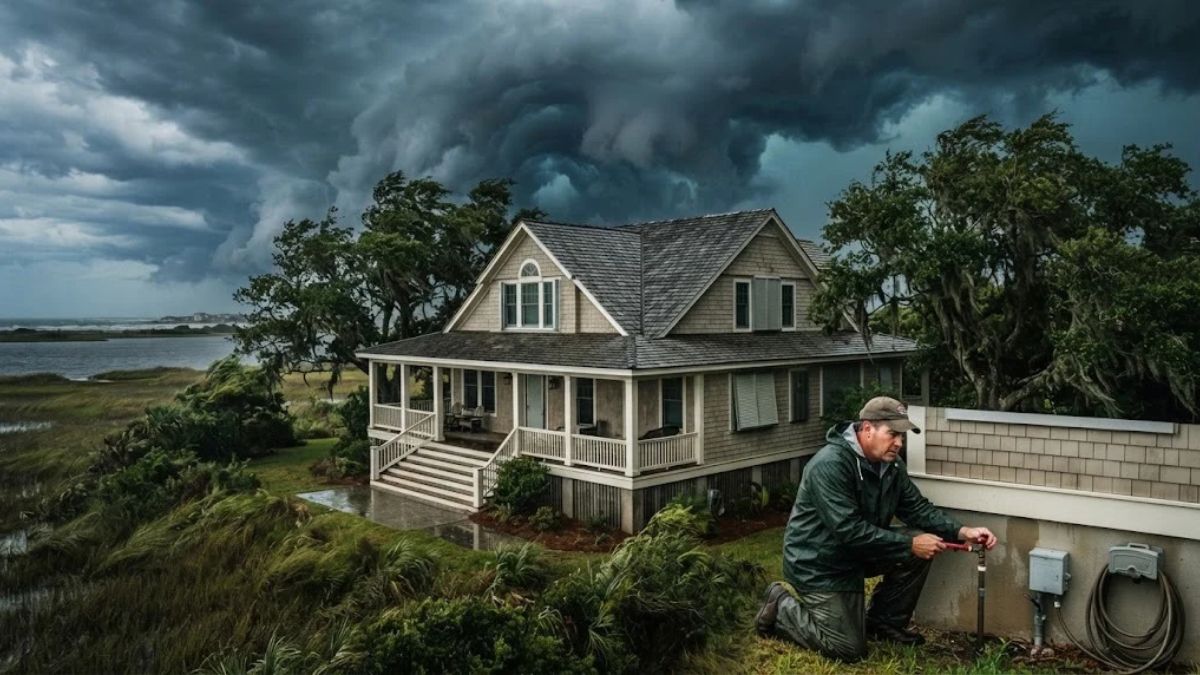
Every spring, the City of Wilmington's Building Department puts out the same advisory: check your drainage and backflow prevention before hurricane season arrives. It's easy to skim past that line, but it's specific, practical advice, not a generic seasonal reminder.
Storm surge and heavy rainfall create real conditions for backflow, water reversing direction and pushing contaminated water back into a home's clean supply, that don't exist most of the year. A short list of checks now can prevent a much worse problem in September.
Test your backflow preventer before the season's first named storm
A backflow preventer that hasn't been tested in a while is the single biggest gap on this list. It's a quick, inexpensive check most of the year, but doing it after a storm has already hit means finding out it failed at the worst possible time.
Our Backflow Testing & Prevention page covers what a test actually involves and how long it typically takes, usually well under an hour for a standard residential device.
Know your main water shutoff location
If a pipe bursts during a storm, or you need to evacuate and want the water off while you're gone, you don't want to be searching for the shutoff valve in the dark. Find it now, confirm it turns freely, and make sure everyone in the household knows where it is.
A shutoff valve that's stiff or won't fully close is worth having replaced proactively, not discovered during an actual emergency. That's a quick check as part of the same seasonal visit.
Check crawl space vents and sump pump function
Coastal crawl spaces flood first during heavy rain, often before the rest of a property shows any sign of trouble. If your home has a sump pump, confirm it's actually working before the season starts, not the first time you hear heavy rain in the forecast.
Clear crawl space vents of debris so they function as designed, allowing moisture to escape rather than trapping it against the foundation.
Clear gutters and exterior drains
Storm runoff needs somewhere to go. Clogged gutters and exterior drains push that water back against the foundation instead of away from it, which can contribute to the same soil-movement issues described in our piece on why sandy soil causes slab leaks here.
If you're evacuating, secure the property before you leave
- Shut off the main water valve if you'll be gone for an extended period.
- Confirm the backflow preventer has been tested this season.
- Take photos of the property's current condition for insurance purposes.
- Note any exposed pipes in a crawl space or garage that might need extra attention on your return.
After the storm passes
Before fully reoccupying a property that sat empty during an evacuation, a post-storm plumbing check confirms nothing was damaged by storm surge or wind-driven debris while you were away. This is especially worth doing for barrier island properties, where our Wrightsville Beach and Oak Island pages cover evacuation-specific considerations in more detail.
Why this checklist matters more here than in most places
A lot of generic hurricane-prep content applies anywhere with severe weather. This checklist is specifically shaped around what actually happens to plumbing systems in coastal New Hanover County. That means real storm surge risk, real evacuation orders on barrier islands, and a documented City of Wilmington advisory that names backflow prevention specifically rather than offering vague seasonal reminders.
We've also seen the aftermath of skipping these steps. A backflow preventer that fails during a genuine pressure-reversal event, or a shutoff valve nobody can locate during an actual emergency, turns a preventable problem into a much bigger one.
What we check during a seasonal visit
When we come out for pre-hurricane-season service, we don't just test the backflow preventer in isolation. We walk through the same checklist above with you. That includes confirming the main shutoff works smoothly, checking crawl space vents and sump pump function if applicable, and flagging anything else that looks like it could become a problem under storm conditions.
For commercial properties, particularly along the Carolina Beach Boardwalk or in downtown Wilmington, we also check any grease trap or larger backflow devices that carry their own testing requirements, covered in more detail on our commercial plumbing page.
A checklist you can actually use, not just read
The value of a seasonal checklist comes from actually doing it, not just knowing it exists. If you're not sure whether your backflow preventer has ever been tested, or you genuinely don't know where your main shutoff is, that's exactly the situation this checklist is meant to catch before hurricane season, not during it.
Timing this right for New Hanover County's real hurricane season
Atlantic hurricane season runs from June through November, but the practical window for getting this checklist done is earlier: late spring, before the first named storm is already tracking toward the Carolina coast. Scheduling a backflow test in August, once a storm is already forming, means competing with every other homeowner having the same realization at the same time.
We see this pattern every year. Calls for backflow testing and pre-season checks spike right before a storm makes landfall, when appointment availability is tightest and the margin for error is smallest. Getting this done in April or May, while the schedule is open, is a small effort that pays off when it actually matters.
What this looks like for a rental or vacation property
If you own a rental property in Wrightsville Beach, Carolina Beach, or elsewhere along the coast, this checklist matters even more, since you may not be on-site to notice a problem developing. A property manager or a scheduled pre-season visit from us can confirm the same items on this list without requiring the owner to be physically present.
Hurricane season plumbing questions
Generally annually, and specifically before hurricane season here given the real storm-surge and flooding risk in coastal New Hanover County.
For an extended absence, turning off the main water valve is the more important step. Ask us about your specific water heater type if you have concerns about leaving it on.
The core steps are the same, but barrier island properties face mandatory evacuation orders mainland homes don't, which makes securing the property before leaving even more important.
Knowing your main shutoff location. It's the fastest way to limit damage if anything goes wrong, before or during a storm.
Due for a pre-season plumbing check?
Call (919) 944-7281, 24/7.