Slab Leak Detection & Repair in Wilmington, NC
A warm patch on the floor, a hardwood plank that's cupping, a water bill that keeps climbing. A leak under a concrete slab needs different equipment than any other leak in the house, and we bring exactly that.
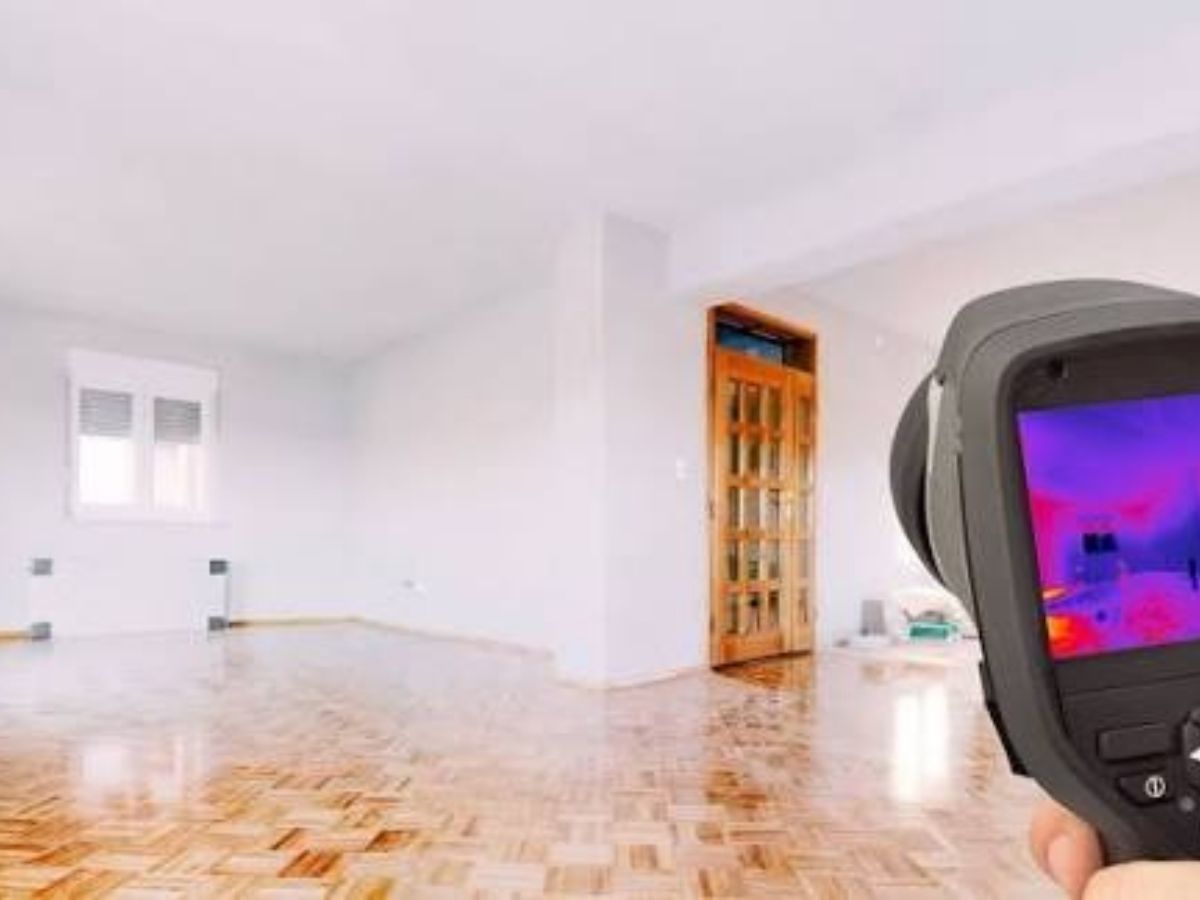
Slab leak detection and repair in Wilmington, NC is a more specific version of general leak detection, focused entirely on pipes running under a concrete slab foundation. The diagnostic approach and the repair options are genuinely different from a leak inside a wall or crawl space, which is why this gets its own dedicated process rather than a generic leak call.
Most slab leak calls start with one of two signs. A warm spot on an otherwise cool floor usually means a hot water line, while a cold spot paired with a rising water bill more often points to a cold water line. Both are worth acting on quickly, since water under a slab has nowhere to go but up, into flooring and eventually framing.
Why slab leaks happen in Wilmington specifically
Wilmington's sandy coastal soil shifts more than a stable clay base would as seasonal moisture changes. That movement stresses the pipe joints running through and under a slab in exactly the spot they're hardest to inspect or maintain, which is why slab leaks show up here more than in a geologically stable inland market.
Homes built from the 1990s onward in the newer subdivisions further from downtown are more likely to sit on slab foundations in the first place, since slab construction became more common in residential building during that period. That's part of why slab leak calls skew toward these newer neighborhoods rather than the older, often crawl-space-foundation homes closer to downtown.
Signs of a slab leak
- A warm spot on the floor with no obvious source, especially over a hot water line's likely path.
- Hardwood or laminate flooring cupping, buckling, or separating in one area.
- A water bill that's risen with no change in household usage.
- The sound of running water when every fixture in the house is off.
- Unexplained mold or musty smell rising from the floor.
How we find a slab leak specifically
We start the same way as general leak detection, isolating supply side from drain side using the water meter, but the equipment gets more specific from there. Thermal imaging is especially useful for a suspected hot water line, since the leak often creates a detectable warm zone on the slab surface above it.
Acoustic listening equipment traces pipe sound through the slab itself, which behaves differently than sound traveling through open wall cavities, and takes real experience to interpret correctly. A slab leak's exact location is rarely obvious from the surface sign alone; the warm spot or wet flooring often sits some distance from the actual leak point.
Once located, we discuss access options before doing anything, since slab access is inherently more involved than opening a wall.
Want us to take a look? Call (919) 944-7281 and we'll walk through what you're seeing.
Slab leak repair options
| Approach | Best for | Trade-off. |
|---|---|---|
| Direct slab penetration | A leak in an easily accessible, non-structural area of the slab | Fastest option, but involves cutting concrete in a specific spot. |
| Re-route above or around the slab | Avoiding concrete cutting entirely | Adds pipe length and fittings, but leaves the slab untouched. |
| Reroute as part of a full repipe | A home with more than one slab leak or aging pipe throughout | Higher upfront cost, but addresses the whole system, not just one leak. |
What affects the price
- Whether the leak is on a hot or cold line, which affects detection method.
- Depth and location of the leak within the slab.
- Repair approach: direct access, re-route, or broader repipe.
- Flooring and finish restoration after the repair is complete.
Non-emergency estimates are free. For emergency work, we give you the real number before we start. Want yours? Call (919) 944-7281.
Real limits, honestly stated
We won't recommend cutting into a slab before we're confident in the leak's location. Guessing at a slab penetration wastes both time and money if it misses.
If a home has had more than one slab leak, that's usually a sign of an aging pipe material issue rather than isolated bad luck. A broader conversation about repiping is the honest one to have at that point.
Questions before you decide? Call (919) 944-7281, 24/7.
Slab leak questions from Wilmington homeowners
The pipe runs under a concrete foundation rather than through a wall or crawl space, which requires different detection equipment and different repair access options.
No. Acoustic and thermal detection narrow the location to a specific area before any cutting happens, and the access point is typically small and targeted.
Not always, but it's one of the more common causes, especially for a hot water line, and worth having checked promptly since water under a slab can migrate before it's visible.
Often yes for the sudden, accidental portion of the damage, though coverage varies by policy. Check your specific policy and document the damage with photos.
Treat it as time-sensitive. Water under a slab doesn't stay contained, and the longer it runs, the more flooring and structural material it can affect.
Warm spot on the floor or a bill that keeps climbing?
Call (919) 944-7281. We'll walk you through it.