Downtown Wilmington's Historic Homes and Their Plumbing Quirks
A home near the historic core, ZIP 28401, often has plumbing that's been touched by three or four different decades. That layered history changes what a repair actually looks like.
By the Wilmington Express Plumbing team · Updated September 2026
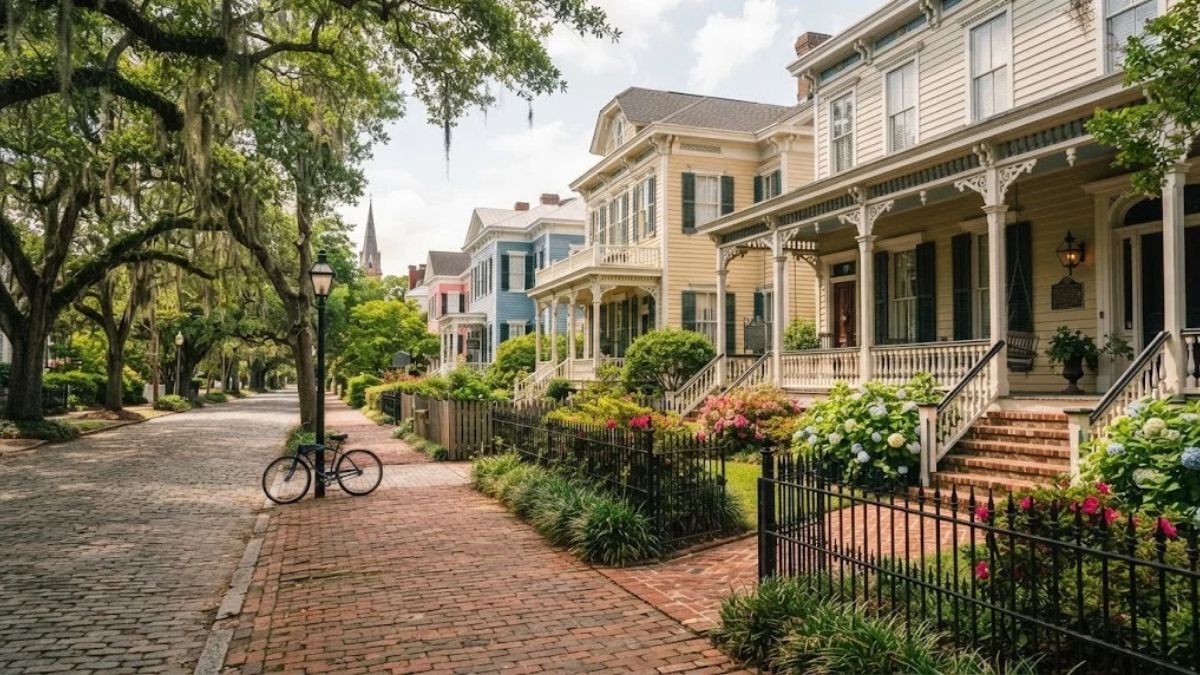
If you own or are considering a home in downtown Wilmington's historic core, ZIP 28401, the plumbing behind the walls has likely seen more change than the house's exterior ever has. A single home might have original early-20th-century galvanized supply lines in one section, a 1970s partial update in another, and modern PEX in whatever was most recently renovated.
That layered history isn't a red flag by itself. It's simply the reality of a home that's been continuously lived in for eighty, a hundred, or more years. It changes how a plumber should approach a repair here compared to a newer home a few miles away.
Why original galvanized lines are still common downtown
Galvanized steel piping was standard in residential construction well into the mid-20th century, and homes in Wilmington's older neighborhoods that haven't gone through a full repipe often still have some of it. Galvanized pipe corrodes from the inside over decades, gradually narrowing its interior diameter, which shows up as reduced water pressure well before an actual leak develops.
The area's humid, salt-laden coastal air accelerates that corrosion pattern compared to a drier inland climate. That's part of why a downtown Wilmington home's original galvanized lines may show more wear at a given age than the same material would elsewhere.
Foundation settling adds a second layer of complexity
Many historic downtown homes sit on pier-and-beam or crawl-space foundations rather than a slab, and decades of settling in New Hanover County's sandy soil can shift a home's plumbing connections slightly out of their original alignment. A toilet that rocks, or a drain that seems to have a slight negative slope in one spot, often traces back to this kind of gradual structural movement rather than a plumbing defect on its own.
What a repair actually looks like in a home like this
Before starting any significant work, we map what's actually there rather than assume a home's plumbing matches its apparent age throughout. It's common to find a mix of materials in the same house, and knowing that upfront changes how a repair or partial repipe gets planned.
Our Repiping & Whole-Home Pipe Replacement page covers the material decision in more detail, including when a full repipe with PEX makes more sense than continuing to patch an aging galvanized system section by section.
What to ask before buying or renovating a historic downtown property
- Has the home had a full or partial repipe, and if so, when and with what material?
- Is there any documented history of foundation settling or repair work?
- Are there sections of the home, an addition or a renovated bathroom, that might already be on newer plumbing?
- Has water pressure been consistent throughout the house, or noticeably weaker in certain areas?
Renovation is often the most cost-effective time to address this
If you're already planning a kitchen or bathroom renovation in a historic downtown home, that's frequently the most practical moment to address aging supply lines behind the wall you're already opening. That beats waiting for a failure to force the issue later. Our Shower & Bathtub Installation page covers this same principle specifically for bathroom projects.
Historic district considerations
Some downtown Wilmington properties fall within historic district guidelines that can affect exterior work or visible changes to a home's street-facing appearance. This typically doesn't affect interior plumbing work, but it's worth confirming for any project that might touch an exterior fixture or fitting.
How this connects to other Wilmington neighborhoods
A home in downtown Wilmington's ZIP 28401 faces a genuinely different plumbing profile than one in Porters Neck's ZIP 28411 further north, where slab foundations and PEX or copper supply lines are standard given the newer construction era. If you're comparing properties across different parts of the city, or moving from one neighborhood to another, it's worth understanding that the age and construction style of the home matters more than the general Wilmington market.
Working with what makes each home unique
No two historic downtown homes have identical plumbing histories, even on the same street. One might have had a full repipe during a 1990s renovation while its neighbor still runs on original lines. That's exactly why we inspect and map a specific home's actual plumbing before recommending anything, rather than assume every historic property needs the same fix.
What insurance and inspection reports sometimes miss
A standard home inspection during a purchase typically checks that fixtures function and looks for visible leaks. It doesn't always trace the full path or material of every supply line in an older home, especially sections hidden behind finished walls or under additions built at different times. A dedicated plumbing inspection, separate from the general home inspection, can surface material and condition details a general inspector isn't specifically looking for.
This is worth considering seriously before purchasing an older downtown property, since the cost of that dedicated inspection is small compared to discovering a significant repiping need after closing.
The long view on owning a historic property
Owning a home with real history means accepting that some systems, plumbing included, will need attention on a different timeline than a newer build. That's not a downside unique to Wilmington's historic homes specifically. It's simply part of what comes with a property built to last a century rather than a few decades, and planning for it proactively tends to cost less than reacting to it.
Historic home plumbing questions
A plumber can confirm this during an inspection, often by checking an accessible section in a basement or crawl space. Reduced water pressure over time is a common early sign.
It depends on the extent of aging material and your renovation plans. We'll walk through what we find and give you an honest comparison of a full repipe versus targeted repairs.
Not necessarily. Gradual settling in older homes is common in this area's soil, though it's worth having any specific rocking or misalignment properly diagnosed rather than assumed.
Interior plumbing work is generally not affected by exterior-focused historic district guidelines, but it's worth confirming for any project involving visible or exterior changes.
Own a historic downtown Wilmington property?
Call (919) 944-7281, 24/7.