Hard Water or Something Else? Diagnosing Wilmington's Water Quality Issues
Scale on your fixtures, soap that won't lather, or a strange taste. Before assuming it's hard water, it's worth confirming what's actually going on.
By the Wilmington Express Plumbing team · Updated September 2026
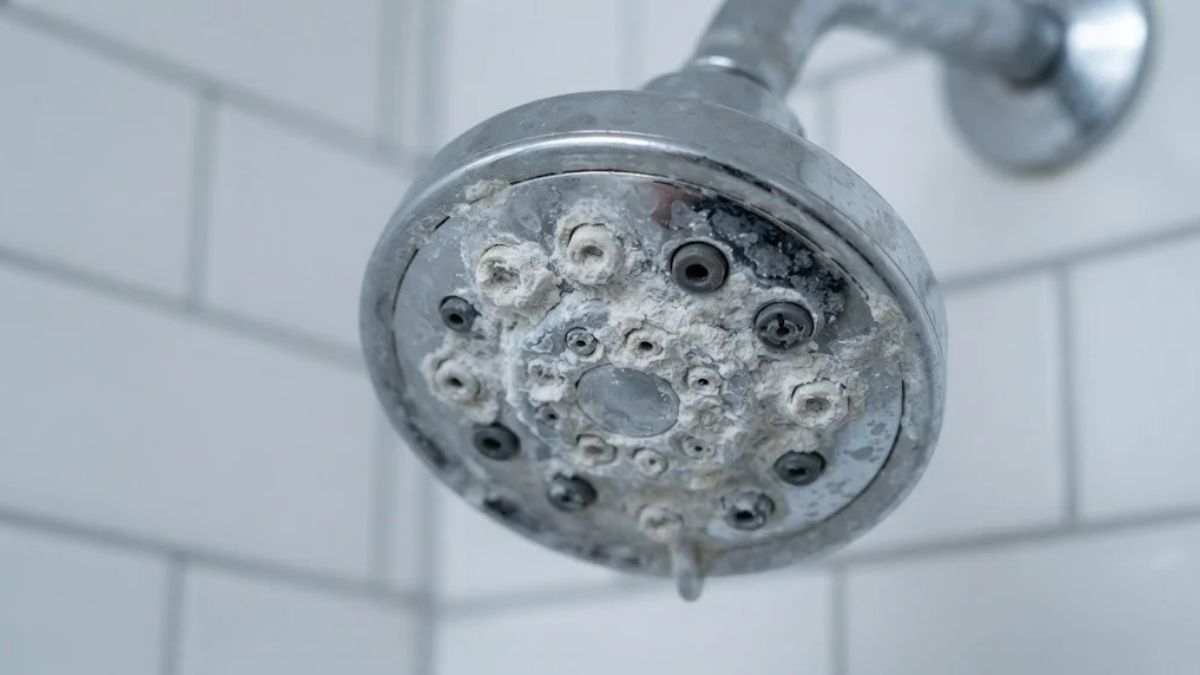
Scale buildup, soap that won't lather, and dry skin after a shower all get blamed on hard water, and sometimes that's exactly right. Other times, the actual cause is something else entirely, a different water quality issue or even a plumbing problem unrelated to the water itself. Getting the diagnosis right matters, since a softener doesn't fix a problem that isn't actually mineral hardness.
What hard water actually is
Hard water contains elevated levels of dissolved minerals, primarily calcium and magnesium. Those minerals are what leave the chalky white residue on fixtures and interfere with soap's ability to lather properly. Hardness varies by water source, which is exactly why the answer differs between a CFPUA municipal customer and a private well customer in the same county.
Symptoms that genuinely point to hard water
- White or chalky scale buildup on faucets, showerheads, and glassware.
- Soap or shampoo that doesn't lather well, leaving a filmy residue.
- Spots on dishes after they've air-dried.
- A noticeable buildup inside a kettle or coffee maker over time.
Symptoms that point somewhere else entirely
A metallic taste or reddish-brown staining is more often iron content, common in some well water, than general hardness. A rotten-egg smell points toward sulfur or bacterial content rather than minerals. Cloudy water that clears after sitting is often just trapped air in the lines, not a water quality issue at all.
A sudden change in taste, smell, or appearance, as opposed to a gradual pattern, is also worth a second look. Mineral hardness tends to be a consistent, ongoing characteristic of a water source rather than something that changes abruptly.
Why testing beats guessing
Scale buildup looks similar whether the actual cause is hardness, a specific mineral like iron, or even residue from a cleaning product. Testing identifies what's actually in the water, which is the only reliable way to choose between a softener, a filtration system, or in some cases no treatment at all.
Our Water Softener Installation & Repair page covers how we test before recommending a system, rather than install a generic softener and hope it addresses whatever the actual issue turns out to be.
When the issue isn't water quality at all
Sometimes what looks like a water quality problem is actually a plumbing issue. Discolored water from a single fixture, rather than throughout the house, often points to that fixture's internal components or a localized corrosion issue rather than anything happening at the water source. Our Faucet & Sink Repair page covers diagnosing a fixture-specific issue like this.
Municipal vs. well: different likely answers
A CFPUA municipal customer's water quality questions are more often about chlorine taste than mineral hardness, covered on our Water Filtration Installation page. A well customer's questions more often involve hardness, iron, or other minerals specific to that property's groundwater source, which is exactly why we test well water before recommending any treatment.
The bottom line on diagnosing your specific symptoms
Don't assume. Scale on a faucet could be hardness, but a metallic taste, a sulfur smell, or symptoms isolated to one fixture point somewhere else. A real test, not a guess based on general symptoms, is what actually tells you which fix makes sense for your specific water.
What happens if you guess wrong
Installing a water softener to fix a problem that's actually iron content, or sulfur odor, or a fixture-specific issue means spending real money on a system that doesn't resolve the complaint that prompted it in the first place. The scale or smell persists, and now there's an unnecessary softener in the system alongside the original, unaddressed problem.
This is exactly why we test and diagnose before recommending equipment, rather than defaulting to the most commonly requested system regardless of what a specific property's water actually needs.
A simple way to narrow it down before calling
Notice which fixtures show the symptom. All of them, or just one? Notice whether it's a taste, a smell, a visible residue, or a staining pattern, since each points toward a different likely cause. And notice whether the symptom developed gradually or appeared suddenly, since a sudden change often means something specific happened, a line disturbance, new corrosion, or a fixture failure, rather than a gradual water-quality characteristic.
None of this replaces an actual test, but walking through these observations before you call helps us ask the right follow-up questions and arrive better prepared for your specific situation.
Treating the cause, not just the symptom
A softener addresses hardness. A filtration system addresses taste, odor, or sediment. A fixture repair addresses a localized issue. None of these three approaches substitutes for the others, which is exactly why getting the diagnosis right before choosing equipment saves both money and frustration down the line.
Water quality diagnosis questions
Visible scale buildup over time is a reasonable indicator, but testing confirms the actual hardness level and rules out other causes with similar symptoms.
It's worth investigating, especially on a well, since it often points to iron or another mineral rather than general hardness, which may call for a different treatment approach.
Buildup isolated to one fixture is more likely a fixture-specific issue than whole-home hardness, worth diagnosing separately before assuming you need a softener.
It's a reasonable, upfront cost compared to installing the wrong treatment system based on a guess. Call us to discuss testing for your specific property.
Yes. Groundwater quality can vary meaningfully even between nearby properties, which is why testing your specific well matters more than assuming based on a neighbor's experience.
Not sure what's actually causing your water quality symptoms?
Call (919) 944-7281, 24/7.