How to Read Your CFPUA Water Bill for Hidden Leak Signs
A water bill that's crept up for no obvious reason is often the very first sign of a leak you can't see yet. Here's what to actually look for.
By the Wilmington Express Plumbing team · Updated September 2026
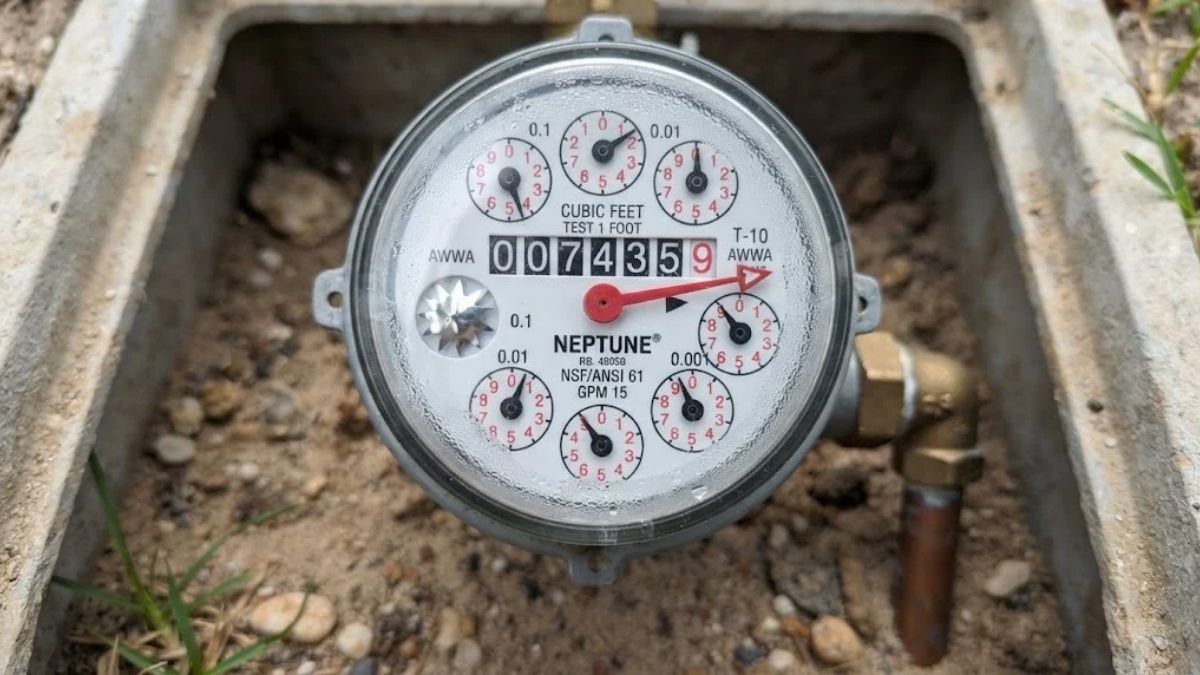
The Cape Fear Public Utility Authority, CFPUA, provides water and sewer service across Wilmington and New Hanover County, and your monthly bill from them carries more useful information than most people realize. A genuine, unexplained increase is often the earliest real signal of a leak, sometimes weeks before any visible sign shows up in your home.
What to actually compare on your bill
Your bill shows usage for the current billing period, typically in units tied to gallons or hundred-cubic-feet. The number that matters isn't the total by itself. It's how that number compares to your own household's typical usage over previous months, especially the same season in a prior year, since normal water use naturally varies with weather and household activity.
If your household routine hasn't meaningfully changed, no new appliances, no additional occupants, no unusual outdoor watering, but your usage has climbed noticeably, that's a real signal worth investigating rather than dismissing as a billing fluctuation.
The water meter test that confirms it
A rising bill points you in the right direction, but your water meter gives you a direct answer. With every fixture and appliance in the house off, check the meter. If the dial or digital readout is still moving, water is flowing somewhere in your system right now, which is a strong, immediate confirmation that something needs attention.
This test takes a few minutes and costs nothing, and it's worth doing before assuming a bill increase is a billing error rather than a real leak.
Common reasons a Wilmington bill climbs without an obvious cause
- A slab leak, which our Slab Leak Detection & Repair page covers in detail, often shows up as a rising bill well before any visible sign appears.
- A running toilet, sometimes silent enough that you'd never notice without checking, can waste a significant amount of water continuously.
- An underground leak in the service line between the meter and the house, covered on our Water Line Repair & Replacement page.
- An irrigation system leak, particularly relevant for homes with in-ground sprinklers.
When it's not a leak at all
Not every bill increase means a leak. Seasonal irrigation, a new appliance, additional household members, or simply a longer billing period than usual can all explain a genuine increase without anything being wrong. That's part of why the meter test matters: it separates an actual active leak from a legitimate change in usage.
What to do once you've confirmed something's wrong
If your meter confirms water is flowing with everything off, the next step is finding out where. Our Leak Detection page covers how we isolate a leak's location using acoustic and thermal equipment before any repair work starts, so you're not paying to open up the wrong section of your home.
Keeping a record makes the next comparison easier
Even a simple habit, jotting down your usage number each month when the bill arrives, makes it far easier to spot a genuine trend versus a one-time fluctuation. Without that record, it's easy to miss a gradual increase that's actually been building for several billing cycles.
This is especially useful for a rental property or a second home you don't visit often, where a slow leak could otherwise go unnoticed for months before anyone happens to check the meter directly.
A bill increase is a starting point, not a diagnosis
A rising water bill tells you something is worth checking. It doesn't tell you what, or where. That's the value of pairing the bill review with the meter test described above: together, they give you a genuine, evidence-based reason to call, rather than a vague sense that something might be wrong.
How your billing cycle length can affect the comparison
CFPUA bills on a regular cycle, but the exact number of days in a given cycle can vary slightly, which affects total usage even without any change in your actual daily water use. If you're comparing two bills closely, checking the number of billing days on each one, usually printed on the statement, gives you a more accurate apples-to-apples comparison than just comparing the total usage figures directly.
Why this matters more for certain properties
A rental property, a vacation home along the coast, or any property you don't personally occupy full-time is exactly where this kind of bill monitoring matters most. You're not physically present to notice a leak's other warning signs. If you own a property in Wrightsville Beach, Carolina Beach, or elsewhere along the coast that you don't visit regularly, a habit of checking the bill each month is one of the few checks available to you remotely.
The bottom line
Your water bill is more than a monthly expense. It's a genuine diagnostic tool sitting in your inbox or mailbox every month, and reading it with a critical eye costs nothing but a few minutes of comparison against your own history.
That small habit, checked consistently, is often what catches a leak while it's still a minor, inexpensive fix rather than a much larger repair after months of unnoticed water loss.
Water bill and leak questions
Any increase that isn't explained by a real change in household usage or the season is worth investigating with the meter test described above.
They can flag unusually high usage in some cases, but the meter test at your own property is the fastest way to confirm it yourself.
Yes. A continuously running toilet can waste a substantial amount of water over a full billing cycle, often more than people expect.
That points away from an active leak inside your plumbing and toward a usage-based explanation, worth reviewing against your own household's recent activity.
Water bill climbing and you don't know why?
Call (919) 944-7281, 24/7.