Well Water vs. City Water in New Hanover County: What It Means for Your Plumbing
Most of Wilmington runs on CFPUA municipal water. Parts of the surrounding county don't. That difference changes real decisions about filtration, softening, and even which plumbing problems you're likely to face.
By the Wilmington Express Plumbing team · Updated September 2026
The Cape Fear Public Utility Authority, CFPUA, supplies water and sewer service across the City of Wilmington and most of New Hanover County. But not every address in the county is a CFPUA customer. Some properties, particularly in less densely developed areas, rely on private wells instead.
That split matters for more than your monthly bill. It genuinely changes what kind of plumbing issues you're likely to encounter and what kind of water treatment, if any, actually makes sense for your home.
What CFPUA customers can generally expect
Municipal water from CFPUA is treated and tested to meet federal and state drinking water standards before it reaches your home. The main water-quality consideration for most municipal customers is taste or odor related to chlorine or chloramine disinfection, not a safety concern, just a noticeable characteristic some people prefer to filter out.
Our Water Filtration Installation page covers the straightforward carbon filtration option that addresses this specific taste and odor issue for municipal customers.
What well customers need to think about differently
A private well draws from groundwater specific to that property's location, which means water quality can vary meaningfully even between two homes on the same street. Minerals, iron content, and water hardness are all genuinely address-specific on a well, in a way they simply aren't for a municipal customer drawing from the same treated supply as their neighbors.
Parts of unincorporated New Hanover County, including areas like Castle Hayne, draw well water from the Castle Hayne aquifer, a real, documented freshwater source that also has a known history of saltwater intrusion concern in some coastal-adjacent areas. That's a genuine reason to test well water specifically rather than assume it matches what a municipal customer experiences.
Testing is the step that actually matters
For a well, water testing isn't optional information, it's the starting point for any real decision about filtration or softening. Installing a system before testing means guessing at what the water actually needs, which risks either an inadequate fix or paying for capability you don't need.
Our Water Softener Installation & Repair page covers how we size a system to real test results rather than a generic assumption, which matters even more for a well customer than a municipal one.
How to find out which system serves your property
- Check your mail or email for a CFPUA bill, which confirms municipal service.
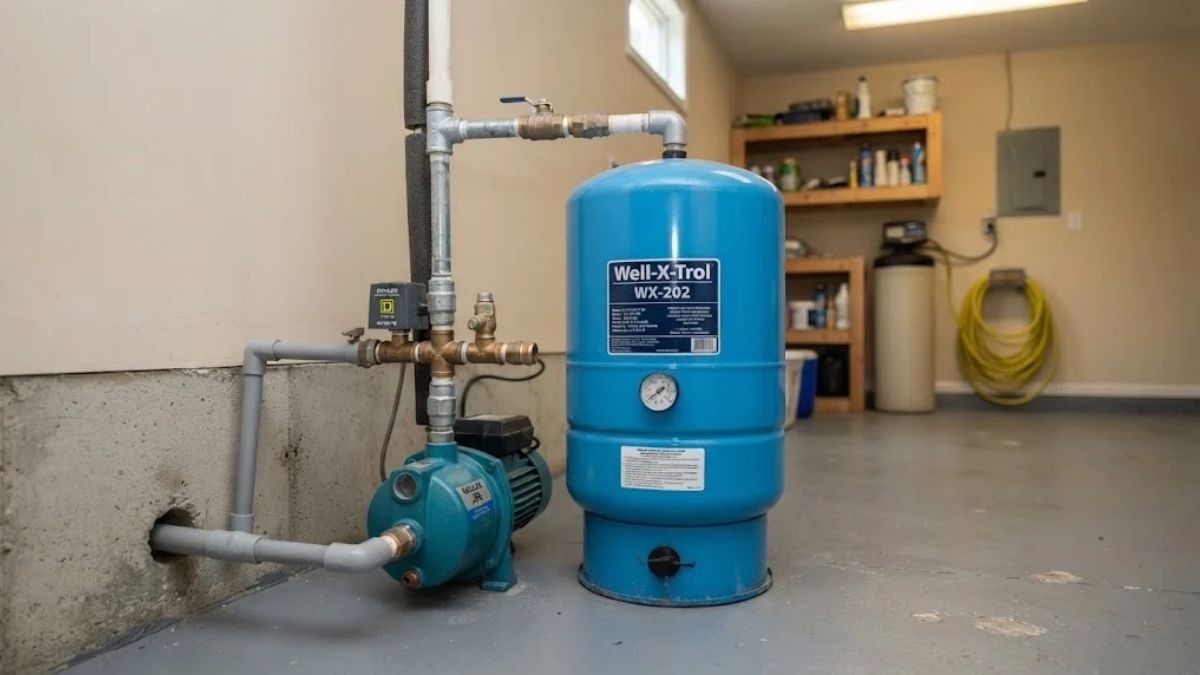
- Look for a well cap or pressure tank on the property, a visible sign of private well service.
- Check county property records, which often note the water source for a given address.
- If you're unsure, we can help you confirm it during an initial visit.
Plumbing differences beyond water quality
A well system includes its own pump and pressure tank, components a municipal customer simply doesn't have. Pressure fluctuations, a pump cycling more than expected, or a pressure tank losing its air charge are well-specific issues with no equivalent on the municipal side.
On the other hand, municipal customers depend entirely on CFPUA's infrastructure for pressure and supply, which means a municipal-side outage or main break affects you regardless of anything happening inside your own home.
Why this matters when you're moving within the county
If you're relocating from a municipal-water home in Wilmington to a well-served property, or the reverse, it's worth having an honest conversation about what changes. A softener or filtration setup sized for one situation doesn't automatically make sense for the other, and a fresh test is the right first step either way.
What happens if a well runs dry or a pump fails
A municipal customer rarely has to think about total water loss, since CFPUA's system draws from a large, maintained supply. A well customer depends entirely on that one property's pump and water table. A failed pump means no water at all until it's repaired or replaced, a different kind of emergency than anything a municipal customer typically faces.
If your well has shown declining pressure over time, that's worth investigating before it becomes a complete failure, since a gradually failing pump often gives some warning before stopping entirely.
Maintenance schedules differ too
A well system has its own maintenance needs separate from the rest of a home's plumbing: periodic water testing, pressure tank checks, and pump inspection on a schedule a municipal customer simply doesn't need to think about. Treating these as part of regular home maintenance, rather than an afterthought, avoids the kind of surprise failure that's far more disruptive than a routine check.
The honest bottom line
Neither water source is inherently better. Each comes with its own real maintenance responsibilities and its own set of questions worth asking before assuming your home's water situation matches your neighbor's. That's especially true in a county where both systems coexist within a few miles of each other.
Well and municipal water questions
Check for a CFPUA bill, look for a well cap or pressure tank on the property, or check county records. We can also help confirm it.
Often yes, but testing is the only way to know for certain what a specific well's water actually contains, since quality varies by location.
It depends on your specific water hardness, which is generally more moderate for municipal customers than for many area wells, but testing is still the honest way to decide.
Confirm it before closing if possible. It affects real decisions about filtration, softening, and maintenance going forward.
As infrastructure expands, some previously well-served areas do eventually gain municipal access, though timelines vary by location and are worth checking directly with CFPUA for a specific address.
Not sure which water source serves your property?
Call (919) 944-7281, 24/7.