Why Wilmington's Sandy Soil Causes More Slab Leaks Than You'd Think
A warm spot on the floor or a climbing water bill in a Wilmington home often traces back to something most homeowners never think about: what's actually underneath the slab.
By the Wilmington Express Plumbing team · Updated September 2026
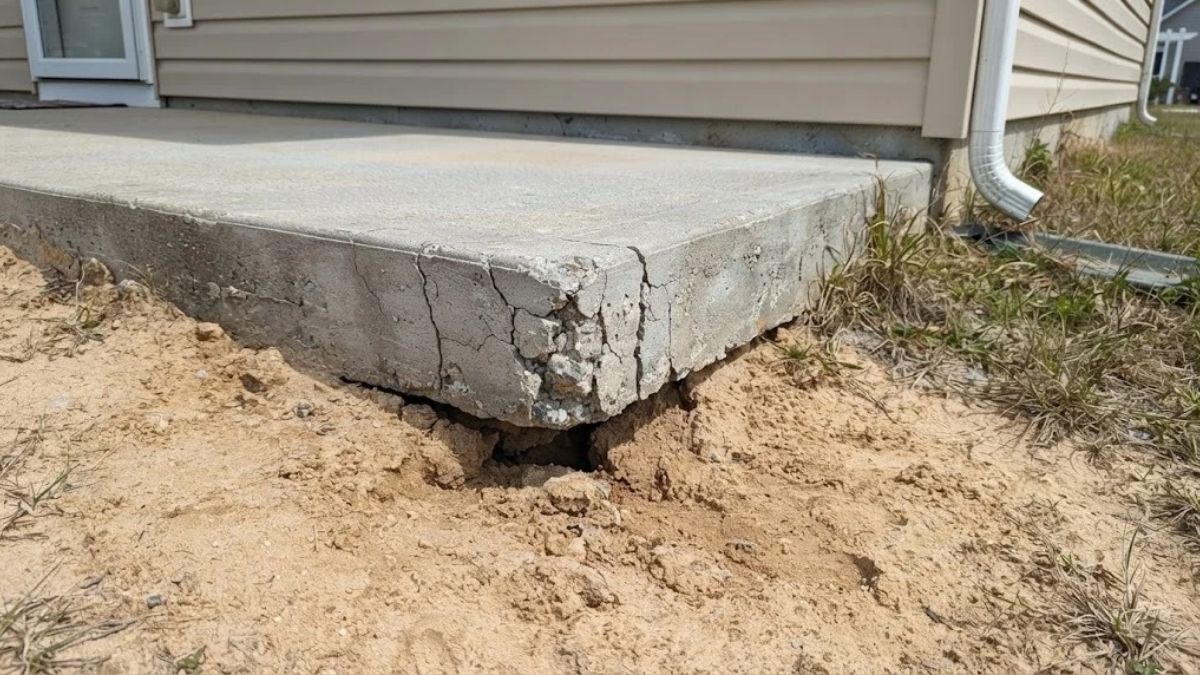
If you've noticed a warm patch on your floor or a water bill that's crept up for no clear reason, the cause might not be inside your walls at all. In a lot of Wilmington homes, it's happening underneath the slab, in soil most people never think about until something goes wrong.
That soil is a real, specific factor here, not a generic talking point every plumbing site repeats. Wilmington sits on sandy coastal soil with pockets of Piedmont clay, and the two behave very differently when the ground gets wet.
Sandy soil moves more than you'd expect
Sand doesn't hold its shape the way clay or bedrock does. When it absorbs seasonal rainfall, it expands slightly, then contracts again as it dries out. That small, repeated movement puts real, ongoing stress on anything running through it, including the pipe joints under a slab foundation.
A joint that was perfectly sound when a home was built can work loose after ten or fifteen years of that cycle. The pipe itself doesn't have to be defective. The ground around it just never stops shifting.
Piedmont clay pockets make it worse in some neighborhoods
Not every lot in the Wilmington area sits on pure sand. Pockets of Piedmont clay show up throughout New Hanover County, and clay swells and shrinks even more dramatically with moisture than sand does.
A home built where sandy soil and a clay pocket meet can see uneven settling, since the two materials respond to the same rainfall differently. That uneven movement is a common, real reason a slab crack or a leak shows up in one specific area of a foundation rather than spreading evenly.
Newer subdivisions see this pattern more than older neighborhoods
Slab foundations became standard in residential construction from the 1990s onward, which means Wilmington's newer subdivisions, further from downtown, are more likely to be built on a slab in the first place. Older homes closer to the historic core more often sit on crawl spaces, which face a different set of moisture issues but aren't exposed to this specific slab-leak pattern.
If your home was built in the last two to three decades and you're noticing the signs below, the soil underneath it is a real, worth-checking factor, not a coincidence.
Signs worth acting on
- A warm spot on the floor with no obvious source, especially over a likely hot water line path.
- Hardwood or laminate flooring cupping or separating in one specific area.
- A water bill that's risen with no change in household water use.
- The sound of running water when every fixture in the house is off.
What actually happens once you call
A slab leak isn't diagnosed by guessing where to cut. We use the water meter first to confirm whether the issue is on the supply side at all. From there, acoustic listening equipment and thermal imaging narrow the leak's actual location before anyone touches the concrete.
Our Slab Leak Detection & Repair page covers the full diagnostic and repair process in detail. It also covers the trade-offs between a direct slab penetration, rerouting around the slab, and a broader repipe if the leak turns out to be one of several.
If the underlying cause is a home with multiple aging pipe sections rather than one isolated leak, whole-home repiping is sometimes the more honest long-term answer. We'll tell you plainly if that's the situation rather than treat a symptom repeatedly.
Why this differs from a leak inside a wall
A leak behind drywall is usually visible fairly quickly, through a stain, a bubble in paint, or a musty smell. A slab leak has none of those early warning signs, since the leak is happening below a solid concrete floor rather than behind a thin, visible surface.
That's part of why the diagnostic step matters so much here. Cutting into a slab based on a guess wastes real time and money if the guess is wrong, and a slab repair is more involved than opening a section of drywall. Getting the location right the first time is worth the extra diagnostic step.
What homeowners can reasonably do before calling
If you notice a warm spot or a suspicious water bill increase, the most useful thing you can do is note the details. Which part of the floor, roughly how long you've noticed it, and whether your water bill has a specific month it jumped, all genuinely speed up the diagnostic process.
What we'd caution against is assuming the problem will resolve on its own or waiting to see if it gets worse. Water under a slab has nowhere to go but up, and the earlier a leak is found, the smaller the eventual repair tends to be.
The bigger picture: soil movement isn't unique to slab leaks
The same sandy-soil movement that causes slab leaks also affects sewer laterals, water service lines, and even toilet flanges in some older homes. That's described in more detail on our pages covering sewer line repair and toilet repair. It's a genuinely recurring theme across different parts of a Wilmington home's plumbing system, not an isolated slab-specific quirk.
Knowing that connection is useful context if you're dealing with more than one plumbing issue at once in an older or newer Wilmington property. It's often the same underlying cause showing up in different places, which is why we look at the whole picture rather than treat each symptom as unrelated.
Slab leak questions from Wilmington homeowners
Not always, but soil movement is a genuinely common contributing factor in this area, alongside normal pipe aging and material corrosion.
This specific pattern applies to slab foundations. A crawl-space home faces different moisture-related plumbing concerns instead.
Treat it as time-sensitive. Water under a slab doesn't stay contained, and the longer it runs, the more flooring and structural material it can affect.
Often for the sudden, accidental portion of the damage, though coverage varies by policy. Document everything with photos and check your specific policy.
Noticed a warm spot or a rising water bill?
Call (919) 944-7281, 24/7.